
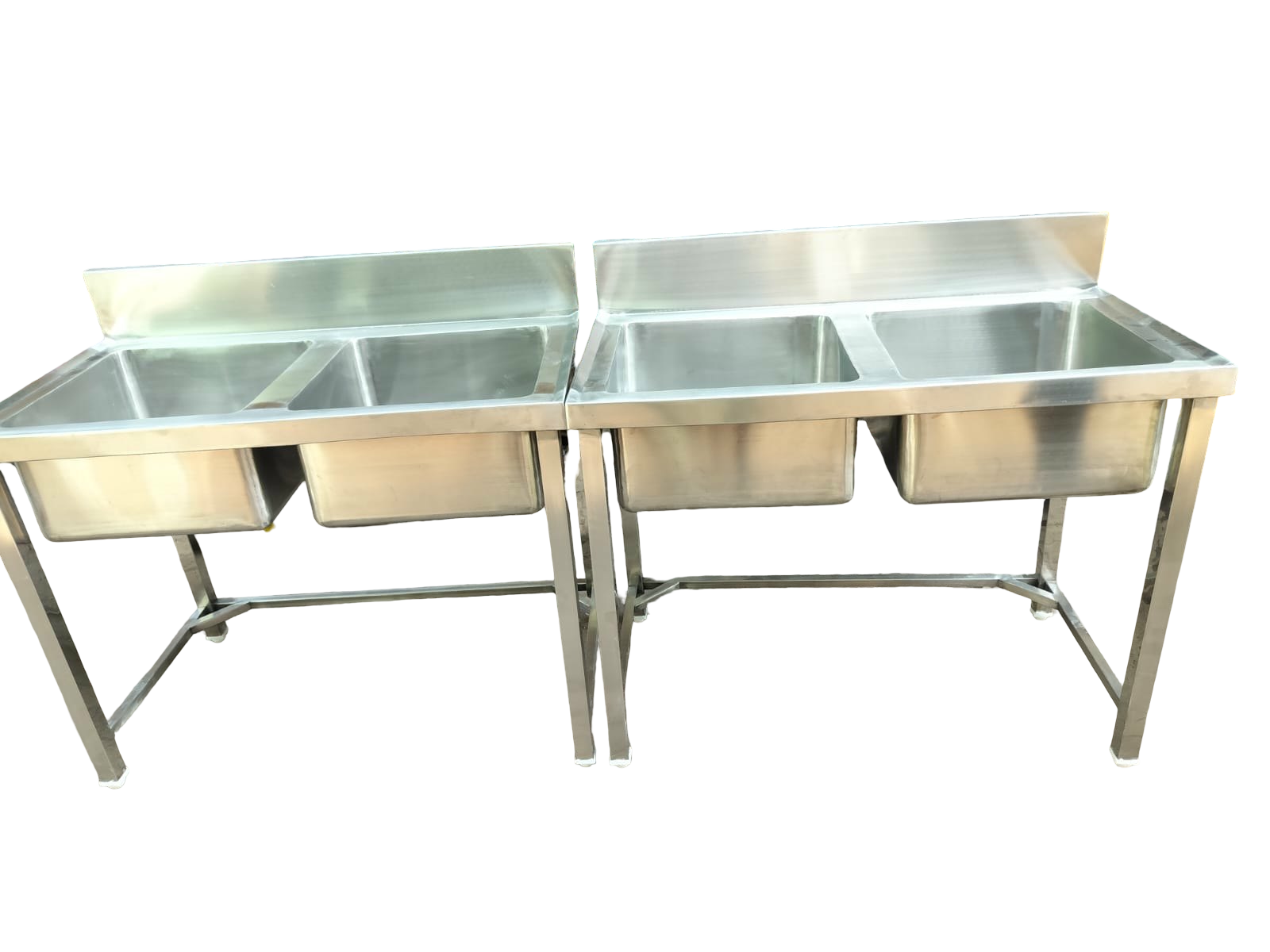
Selecting the right commercial sink is an essential decision for any business that relies on efficient and hygienic cleaning processes. Whether you operate a restaurant, laboratory, or manufacturing facility, the sink you choose must meet specific functional requirements while complying with health and safety standards. The first factor to consider is the type of work your sink will be performing. For example, food service establishments often require sinks designed for washing dishes, prepping ingredients, or handwashing. Each task may call for different sizes and configurations, such as single-bowl sinks for quick rinsing or multi-compartment units to separate washing stages effectively.
Material choice significantly impacts durability and maintenance needs. Stainless steel remains the most popular option due to its resistance to corrosion, ease of cleaning, and long lifespan under heavy use conditions. However, other materials like epoxy-coated steel or fiberglass might suit environments where chemical exposure occurs frequently. It’s important to evaluate which material best withstands your specific operational environment without compromising hygiene or structural integrity.
The size of the sink should correspond not only to workspace availability but also to volume demands. A larger kitchen handling numerous meals daily will benefit from deeper basins that accommodate pots and pans easily while preventing splashing outside the unit. Conversely, smaller operations may prioritize compact models that maximize available counter space without sacrificing functionality.
Installation considerations play a vital role in choosing a Commercial Sink as well. Determine whether you need wall-mounted units that free up floor space or freestanding models offering flexibility in placement and mobility if necessary. Additionally, check compatibility with existing plumbing systems; some sinks require specialized faucets or drains that could increase installation complexity and cost.
Compliance with local regulations cannot be overlooked when selecting a commercial sink. Health codes often specify minimum basin dimensions for handwashing stations or mandate splash guards in certain areas to maintain sanitary conditions effectively. Understanding these legal requirements before purchase prevents costly modifications later on.
Ergonomics should also influence your decision since employees interact with these fixtures continuously throughout their shifts. Features like rounded corners reduce injury risk during busy periods while adjustable heights can improve comfort over long working hours.
Finally, consider additional accessories such as drainboards for drying utensils or integrated soap dispensers that enhance workflow efficiency within your setup. By carefully assessing operational needs alongside physical constraints and regulatory guidelines, you ensure your chosen commercial sink supports both productivity and compliance seamlessly over time without unnecessary expense or inconvenience down the line.