
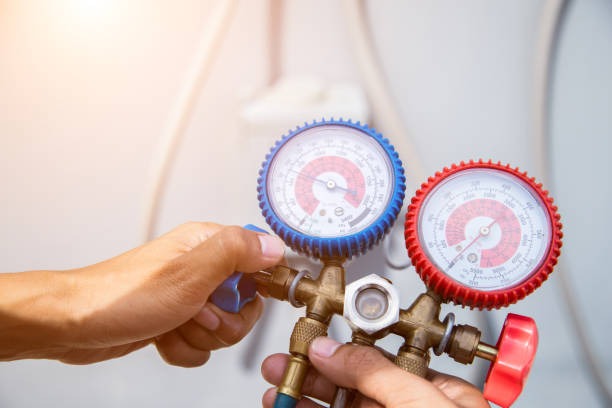
Reducing allergens in indoor environments has become a priority for many, given the increasing prevalence of allergies and respiratory conditions. One of the most effective strategies to tackle this issue is leveraging HVAC (Heating, Ventilation, and Air Conditioning) technology. Modern HVAC systems are not just about temperature control; they play a crucial role in enhancing indoor air quality by minimizing allergens.
The first step in using HVAC technology to reduce allergens is ensuring proper filtration. High-Efficiency Particulate Air (HEPA) filters are designed to capture particles as small as 0.3 microns with 99.97% efficiency. These filters can trap common allergens like dust mites, pollen, pet dander, and even some bacteria and viruses. Regularly replacing or cleaning these filters is essential to maintain their effectiveness.
Another vital component is humidity control. Dust mites and mold thrive in high-humidity environments, which can exacerbate allergy symptoms. An efficient HVAC system should include a dehumidifier that maintains indoor humidity levels between 30-50%. This range minimizes allergen proliferation while maintaining comfort levels within the home.
Ventilation also plays an integral role in reducing indoor allergens by introducing fresh outdoor air into the home while expelling stale air laden with pollutants and allergens. Energy Recovery Ventilators (ERVs) or Heat Recovery Ventilators find answers here (HRVs) are excellent additions to an HVAC system as they efficiently manage ventilation without compromising energy efficiency.
Regular maintenance of your HVAC system cannot be overstated when it comes to allergen reduction. Professional inspections ensure that all components function optimally, preventing dust accumulation and microbial growth within the system itself—both potential sources of allergen introduction into your living space.
Advanced technologies such as UV-C light installations within ductwork offer additional protection against airborne pathogens including bacteria and mold spores that standard filtration might miss. These ultraviolet lights disrupt the DNA structure of microorganisms, rendering them harmless before they circulate through your home’s air supply.
Smart thermostats equipped with advanced sensors can monitor air quality parameters like particulate matter concentration or volatile organic compounds (VOCs), alerting homeowners when intervention may be necessary—whether it’s changing a filter or adjusting humidity settings.
Finally, integrating whole-home purification systems provides comprehensive coverage beyond what portable units offer by treating all circulated air rather than isolated areas only.
In conclusion, utilizing modern HVAC technology offers multiple avenues for significantly reducing household allergens effectively—promoting healthier living spaces tailored specifically around individual needs without sacrificing comfort or convenience.