
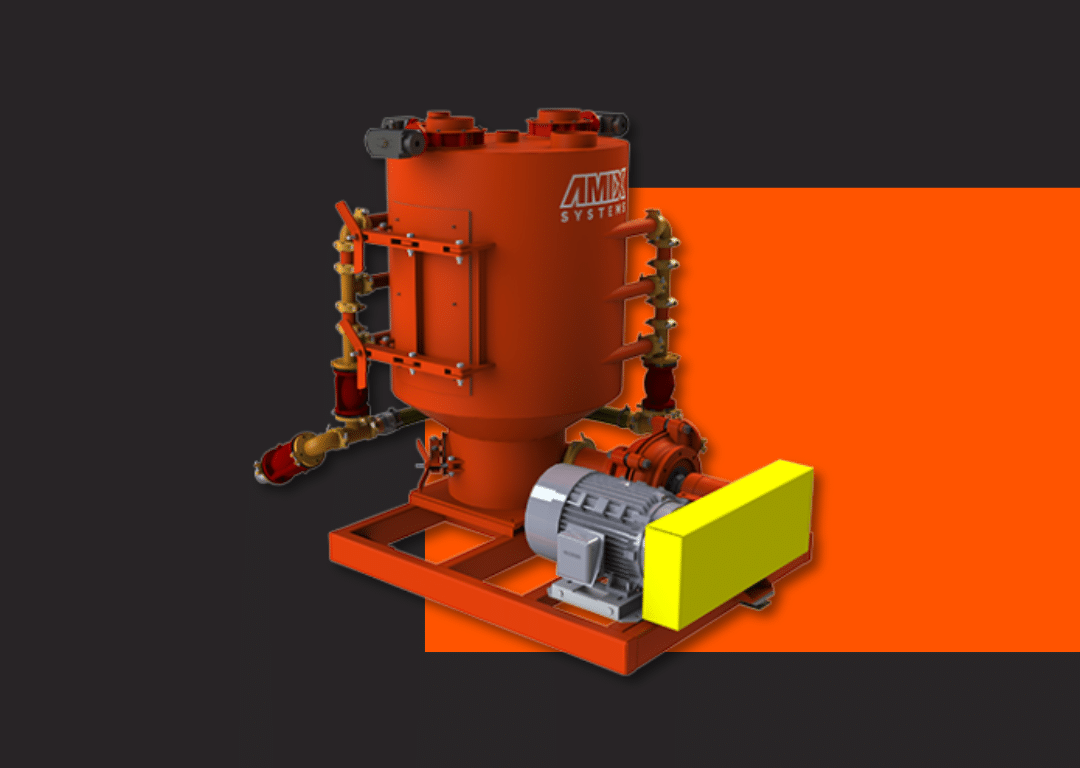
Bentonite cement grout is a specialized mixture widely used in various construction applications due to its unique properties and versatility. This grout combines bentonite, a naturally occurring clay known for its swelling and sealing characteristics, with cement to create a material that offers excellent impermeability, durability, and strength. The blend of these two components results in a grout that can effectively fill voids, seal cracks, and stabilize soils in both underground and above-ground construction projects.
One of the primary uses of bentonite cement grout is in soil stabilization. In many construction sites, especially those involving excavation or tunneling, loose or water-saturated soils pose significant challenges. Bentonite cement grout can be injected into these unstable soils to improve their load-bearing capacity by filling gaps between soil particles and binding them together. This process enhances the overall stability of the ground, reducing settlement risks and providing a solid foundation for structures such as buildings, bridges, roads, and retaining walls.
Another important application is seepage control meaning of grouting in construction and repair works. Dams require effective waterproofing measures to prevent water from leaking through the structure or beneath its foundation. Bentonite’s natural swelling ability allows it to form an impermeable barrier when mixed with cement grout. When injected into cracks or fissures within concrete dams or earthen embankments, this grout seals pathways for water flow while maintaining structural integrity under pressure.
In tunneling projects-whether for subways, sewage systems, or utility conduits-bentonite cement grout plays a crucial role in controlling groundwater inflow during excavation activities. By injecting this material around tunnel linings or into surrounding rock formations before excavation progresses too far ahead, engineers can reduce water ingress that might otherwise cause flooding problems or weaken support structures.
Additionally, bentonite cement grouting is employed for underpinning foundations where existing buildings require reinforcement due to subsidence issues caused by soil erosion or changing moisture conditions beneath them. Grout injection strengthens weak zones beneath footings without needing extensive demolition work; thus it serves as an economical solution for preserving structural safety while minimizing disruption.
Moreover, this type of grout finds use in anchoring systems such as rock bolts used to secure slopes on highways or mining operations where loose rocks could present hazards if left unsupported. The adhesive qualities combined with flexibility ensure long-lasting fixation even under dynamic stress conditions typical at these sites.
The environmental benefits also contribute to the popularity of bentonite cement grouts since they often utilize natural materials with low toxicity levels compared to synthetic alternatives commonly employed elsewhere.
In summary, bentonite cement grout offers multiple advantages across diverse construction scenarios including soil stabilization; seepage control; tunnel waterproofing; foundation underpinning; slope stabilization through anchoring systems-all contributing toward safer infrastructure development while addressing complex geotechnical challenges effectively.