
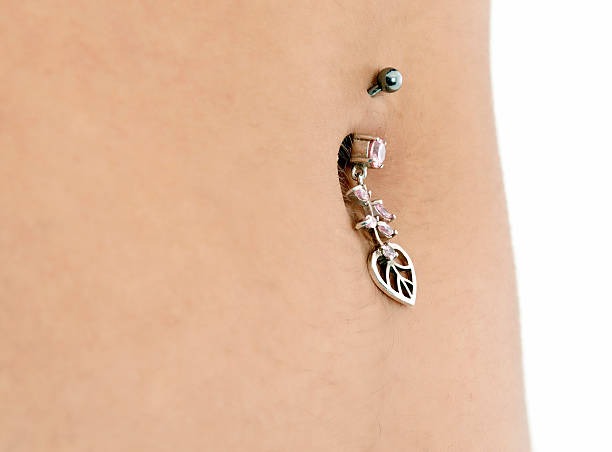
When considering a new piercing, many people focus on the aesthetics of their chosen jewelry. However, the material of this jewelry plays a crucial role in both the healing process and overall comfort. Understanding how different materials interact with your body can help ensure a smooth healing journey and prevent complications.
The initial phase after getting pierced is critical for proper healing. During this time, selecting biocompatible materials can make a significant difference. Surgical-grade stainless steel is often recommended due to its low nickel content and high corrosion resistance, minimizing allergic reactions and irritation. Titanium is another excellent choice; it’s lightweight, strong, and completely hypoallergenic, making it ideal for those with sensitive skin or metal allergies.
Niobium is similar click to discover titanium in terms of hypoallergenic properties but offers more color options without compromising safety. It’s also heavier than titanium but remains comfortable for most wearers. Gold is popular for its aesthetic appeal; however, only 14k or higher should be used in initial piercings to avoid impurities that might cause adverse reactions.
Conversely, some materials are best avoided during the healing phase due to potential risks they pose. Sterling silver may tarnish when exposed to bodily fluids or cleaning agents used during piercing care routines. This tarnishing can lead to skin discoloration or infection if particles become embedded in the tissue around the piercing site.