
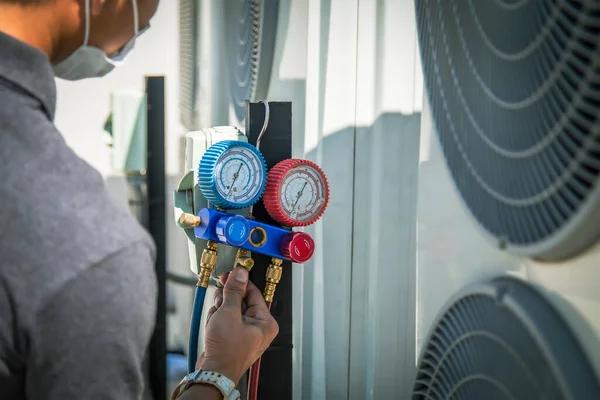
In heating, ventilation, and air conditioning (HVAC) systems, two common problems that affect performance are refrigerant undercharge and airflow issues. Although both can lead to reduced efficiency and comfort, they stem from different causes and require distinct approaches for diagnosis and repair. Understanding how these problems differ is essential for homeowners and technicians to maintain an effective HVAC system.
Refrigerant undercharge occurs when the amount of refrigerant in the system falls below the manufacturer’s specified level. Refrigerants are crucial for heat transfer within air conditioning units; they absorb heat from indoor air and release it outside. When there is insufficient refrigerant, the system cannot effectively carry out this process. This shortage often results from leaks or improper charging during installation or servicing. Symptoms of a refrigerant undercharge include longer cooling cycles, higher energy bills, ice formation on evaporator coils, and overall diminished cooling capacity. Because refrigerants operate under specific pressures, their levels directly influence system pressure readings during maintenance checks.
On the other hand, airflow issues relate primarily click to explore how air moves through the HVAC system rather than how much refrigerant is present. Proper airflow ensures that conditioned air reaches all areas evenly while maintaining adequate return air circulation back into the unit. Common causes of poor airflow include dirty or clogged filters, blocked ducts, malfunctioning fans or blowers, closed vents in certain rooms, or poorly designed ductwork layouts. When airflow is restricted or unevenly distributed, occupants may experience hot spots in some rooms alongside excessively cold areas in others. Additionally, inadequate airflow can cause strain on components like compressors due to improper heat exchange at the evaporator coil.
While both conditions impact cooling efficiency negatively by reducing heat transfer effectiveness within the unit’s evaporator coil area, their root causes differ significantly-one involving chemical charge levels inside sealed components versus mechanical movement of air through open pathways. Diagnosing these problems involves different tools: pressure gauges measure refrigerant status accurately whereas anemometers assess airflow velocity throughout ducts.
Repair strategies also vary accordingly; fixing a refrigerant undercharge typically requires locating leaks with specialized detectors followed by recharging with proper amounts of environmentally safe refrigerants handled by certified professionals due to regulatory requirements surrounding handling chemicals harmful to ozone layers or global warming potential concerns. In contrast, resolving airflow issues may involve cleaning filters regularly every one to three months depending on usage conditions improving duct sealing techniques minimizing obstructions repairing fan motors replacing damaged blower wheels adjusting vent positions ensuring balanced room temperatures across zones.
In summary, while both refrigerant undercharge and airflow problems degrade HVAC performance causing discomfort indoors along with increased operational costs over time understanding their differences helps prioritize appropriate maintenance actions promptly thereby extending equipment lifespan efficiently without unnecessary expenses related to misdiagnosis or ineffective repairs ultimately supporting reliable climate control year-round regardless of seasonal demands faced by users worldwide today.