
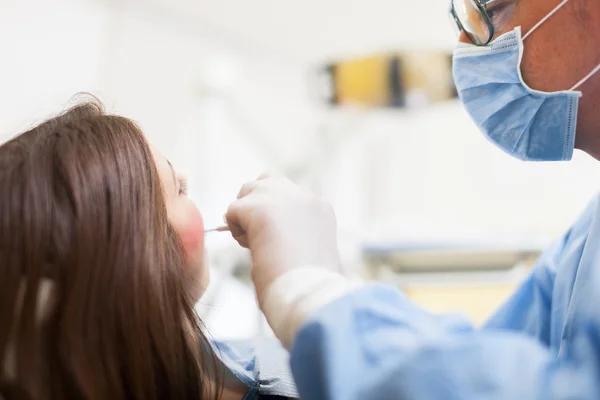
Regular dental exams and checkups are fundamental components of maintaining oral health, serving as preventive measures against a host of potential dental problems. These routine visits to the dentist play an essential role in identifying issues before they become severe, saving individuals from discomfort and costly treatments down the line.
During a typical dental exam, a dentist or hygienist will thoroughly clean your teeth, removing plaque and tartar that regular brushing and flossing might miss. This process not only helps prevent cavities but also reduces the risk of gum disease by keeping harmful bacteria at bay. Professional cleaning is crucial because once tartar forms on the teeth, it can only be removed by a dental professional.
Moreover, these checkups allow for early detection of oral health issues such as cavities, gum disease, or even signs of oral cancer. Dentists use various tools to examine your mouth meticulously. X-rays may be taken to get a clearer picture of what’s happening beneath the surface—detecting problems like impacted teeth or jawbone damage that aren’t visible during a regular examination.
Routine care fosters better communication between patients and dentists. During visits, individuals have the opportunity to discuss any concerns about their oral health directly with their dentist. Whether it’s sensitivity in certain areas or questions about proper brushing techniques, these conversations are invaluable for personalized care advice tailored to specific needs.
Furthermore, consistent dental exams and checkups help reinforce good habits when it comes to personal oral hygiene practices at home. Dentists often provide tips on effective brushing and flossing techniques while recommending products that suit individual conditions best—be it toothpaste for sensitive gums or brushes designed for orthodontic appliances.
Preventive dentistry extends beyond just addressing immediate concerns; it’s about promoting long-term health benefits too. Regular checkups can significantly reduce the likelihood of developing serious conditions like periodontal disease—a major cause of tooth loss among adults—or systemic diseases linked with poor oral hygiene such as heart disease and diabetes.
In addition to physical benefits, maintaining regular appointments also contributes positively towards mental well-being by alleviating anxiety associated with unexpected dental emergencies through proactive management strategies offered by professionals who understand patient histories comprehensively over time.