
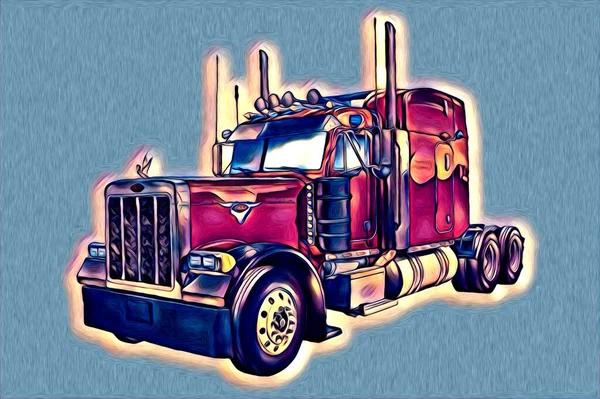
Atlanta, a bustling hub of commerce and industry in the southeastern United States, plays a pivotal role in the trucking industry. The city’s strategic location makes it an ideal center for freight operations that cater to local, regional, and long-haul needs. Trucking companies based in Atlanta benefit from its extensive network of highways, railroads, and close proximity to major ports like Savannah and Charleston. This connectivity allows for efficient transportation solutions across various distances.
Local freight operations within Atlanta are vital for the city’s economy. With numerous businesses relying on timely deliveries of goods such as retail products or construction materials, local Atlanta Trucking ensures seamless supply chain operations. Companies often employ smaller trucks capable of navigating urban environments efficiently while maintaining quick turnaround times. These local services support Atlanta’s vibrant economy by ensuring stores remain stocked and projects proceed without delay.
Regional freight services extend beyond city limits but stay within a manageable distance from Atlanta—typically encompassing neighboring states like Alabama, Tennessee, South Carolina, and Florida. Regional trucking is essential for industries that require frequent shipments over moderate distances but still need faster delivery than traditional long-haul routes offer. This sector often involves transporting raw materials to manufacturing plants or distributing finished goods to regional distribution centers.
Long-haul trucking represents another crucial aspect of Atlanta’s freight industry. It connects the Southeast with other parts of the country through interstates such as I-75, I-85, and I-20 that converge in or near the city. Long-haul drivers transport goods over vast distances—sometimes coast-to-coast—playing an indispensable role in national supply chains by moving everything from consumer electronics to agricultural produce across state lines.
The demand for these diverse trucking services continues to grow alongside advancements in technology aimed at improving efficiency and safety within the industry. Innovations such as GPS tracking systems allow real-time monitoring of shipments while optimizing routes based on traffic conditions—a boon for both truckers seeking shorter travel times and clients desiring reliable delivery schedules.