
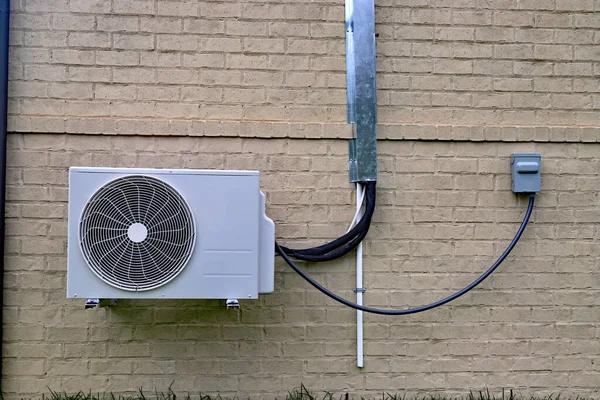
Mini split air conditioners are popular for their energy efficiency and flexibility in cooling individual rooms. However, like any mechanical system, they can encounter common problems that affect performance. Understanding these issues and knowing simple fixes can help maintain comfort without the need for immediate professional service.
One frequent problem is poor cooling or insufficient airflow. This often results from clogged filters or blocked indoor unit vents. Over time, dust and debris accumulate on the filter, restricting airflow and reducing cooling efficiency. Cleaning or replacing the air filter regularly restores proper airflow and improves performance. Additionally, ensure nothing obstructs the indoor unit’s vents to allow free circulation of cooled air.
Another issue users may face is water leakage from the indoor unit. Mini splits remove humidity by condensing moisture on cold evaporator coils; this water should drain through a condensate line outside your home. If you notice water dripping indoors, it could be due to a clogged drainage pipe or improper installation causing inadequate slope for drainage. Clearing blockages with a wet-dry vacuum or flushing the drain line with water usually resolves this problem quickly.
Unusual noises coming from either the indoor or outdoor units also signal potential problems. Rattling sounds might indicate loose parts or debris trapped inside fan blades, while buzzing noises could point to electrical issues such as faulty capacitors or contactors. Inspecting fans for obstructions and tightening screws can eliminate some noise sources; however, persistent electrical noises require professional diagnosis to avoid safety risks.
The mini split remote control not responding is another common inconvenience that disrupts user experience but rarely indicates major faults. Dead batteries are often responsible; replacing them typically restores function immediately. If battery replacement does not work, resetting the system by turning off power at the breaker for several minutes may resolve communication glitches between remote and unit.
Finally, frozen evaporator coils represent a more serious concern that impairs cooling capacity significantly. This condition arises when refrigerant levels are low due to leaks or when airflow over coils is restricted because of dirty filters or blocked vents. Addressing coil freezing involves cleaning filters thoroughly and scheduling refrigerant checks with certified technicians if leaks are suspected.
By addressing these typical Mini Split AC problems promptly through routine maintenance such as cleaning filters, checking drains, inspecting components visually, replacing batteries in remotes, and ensuring unobstructed airflow paths at both indoor and outdoor units owners can extend their system’s lifespan while enjoying consistent cooling comfort throughout warmer months without unnecessary expense or downtime.