
Refrigeration engineering is a critical field that plays an essential role in various industries, ensuring the preservation of perishable goods, comfort in living spaces, and efficient industrial processes. At its core, refrigeration engineering involves the design, implementation, and maintenance of systems that remove heat from a designated area to lower temperatures. This process is vital for applications ranging from household refrigerators to large-scale industrial cooling systems.
The basic principle behind refrigeration is the absorption of heat through a refrigerant fluid which undergoes phase changes within a closed system. The cycle typically involves four main components: the compressor, condenser, expansion valve or device, and evaporator. The compressor pumps the refrigerant through these components where it absorbs heat at low pressure in the evaporator and releases it at high pressure in the condenser. Understanding this cycle is fundamental for any aspiring refrigeration engineer.
Energy efficiency has become increasingly important in Refrigeration Engineering due to environmental concerns and rising energy costs. Engineers are continually seeking ways to improve system performance while reducing environmental impact. One approach is optimizing component design; for instance, using variable speed compressors can significantly reduce energy consumption by adjusting their operation according to demand rather than running at full capacity constantly.
Another strategy involves selecting environmentally friendly refrigerants with low global warming potential (GWP). Traditional refrigerants like chlorofluorocarbons (CFCs) have been phased out due to their harmful effects on the ozone layer and contribution to climate change. Modern alternatives such as hydrofluoroolefins (HFOs) offer similar performance with reduced environmental impact.
Moreover, incorporating advanced technologies such as Internet of Things (IoT) devices allows for smarter monitoring and control of refrigeration systems. These devices can provide real-time data on system performance and enable predictive maintenance practices that prevent costly breakdowns and enhance energy efficiency.
Thermal insulation also plays a crucial role in improving energy efficiency by minimizing unwanted heat gain or loss within refrigerated spaces. Proper insulation materials should be selected based on factors like thermal conductivity, moisture resistance, durability, and cost-effectiveness.
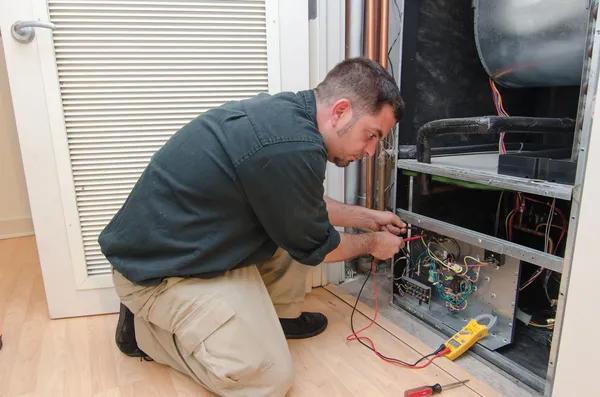
Finally, regular maintenance ensures optimal operation of cooling systems over time. Scheduled inspections help identify issues early before they escalate into major problems requiring expensive repairs or replacements.
In conclusion, mastering refrigeration engineering requires an understanding of thermodynamics principles coupled with knowledge about modern advancements aimed at achieving greater energy efficiency while minimizing environmental impacts. By integrating innovative solutions into traditional practices—such as smart technology integration or alternative refrigerant usage—engineers can develop more sustainable cooling solutions that meet today’s demands without compromising future resources.
Refrigeration Engineering
2121 Floyd Blvd, Sioux City, IA 51104
712-938-1019